





The Remarkable Journey of Sea Turtles to Corozalito, Guanacaste

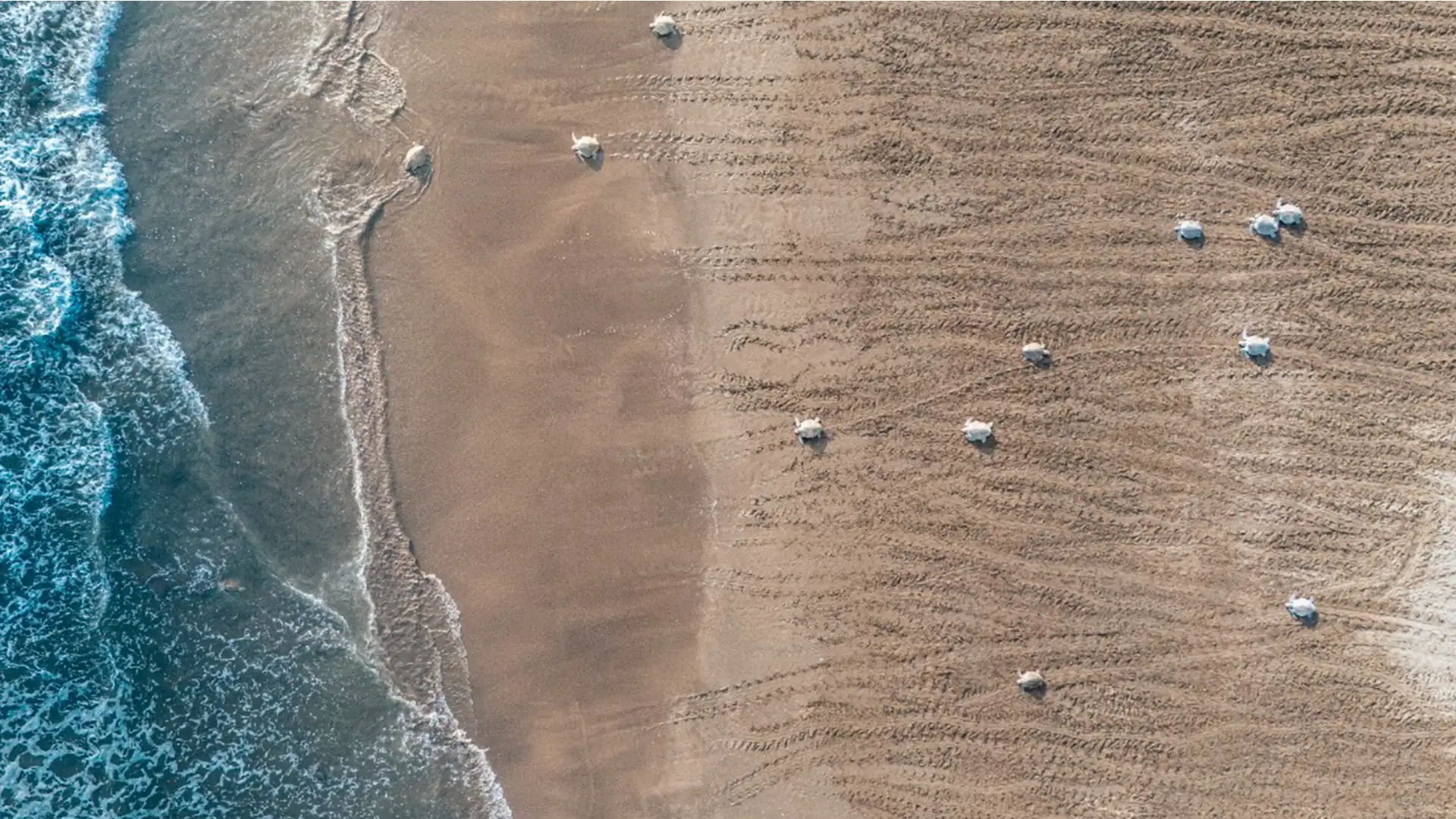
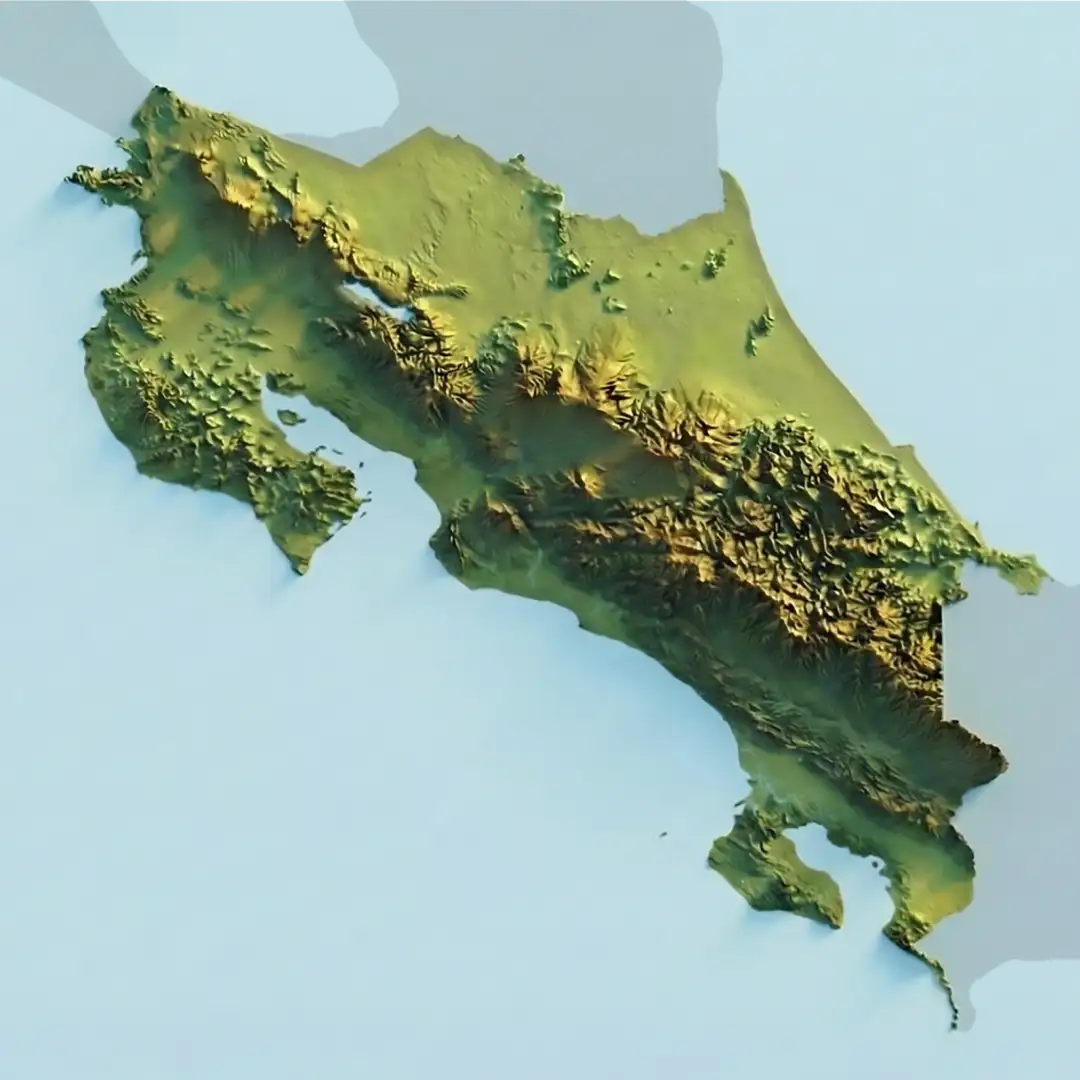
Every year, one of nature's most extraordinary events takes place on the shores of Corozalito, a small beach located on Costa Rica in Guanacaste. Hundreds, and sometimes thousands, of olive ridley sea turtles return from the vast Pacific Ocean to lay their eggs on the very beach where many of them began their lives.
The Arribada: An Arrival Guided by Instinct
This incredible phenomenon, known as an arribada (Spanish for "arrival"), occurs when large groups of female turtles come ashore over a period of several days. Guided by natural instincts, ocean currents, and possibly even the Earth's magnetic field, these turtles navigate thousands of kilometers to reach Corozalito with astonishing precision.
Nesting in the Warm Sand
Once on the beach, the females carefully dig nests in the sand using their rear flippers. Each turtle can lay around 80 to 120 eggs before covering the nest and returning to the ocean. The warm sand provides the perfect environment for incubation, and after approximately 45 to 60 days, tiny hatchlings emerge and make their challenging journey toward the sea.
A Key Site for Conservation
Corozalito has become an important nesting site for olive ridley sea turtles and plays a vital role in the conservation of this species. Local communities, researchers, and conservation organizations work together to protect nests, monitor turtle populations, and educate visitors about the importance of preserving these fragile ecosystems.
An Unforgettable Experience
Witnessing sea turtles arrive at Corozalito under the moonlight is an unforgettable experience. It serves as a powerful reminder of the wonders of nature and the importance of protecting our oceans for future generations.
Corozalito is not just a beach; it is a sanctuary where the ancient cycle of life continues year after year, connecting the ocean, the land, and the remarkable creatures that call both home.