




The Importance of Preserving and Protecting Nature
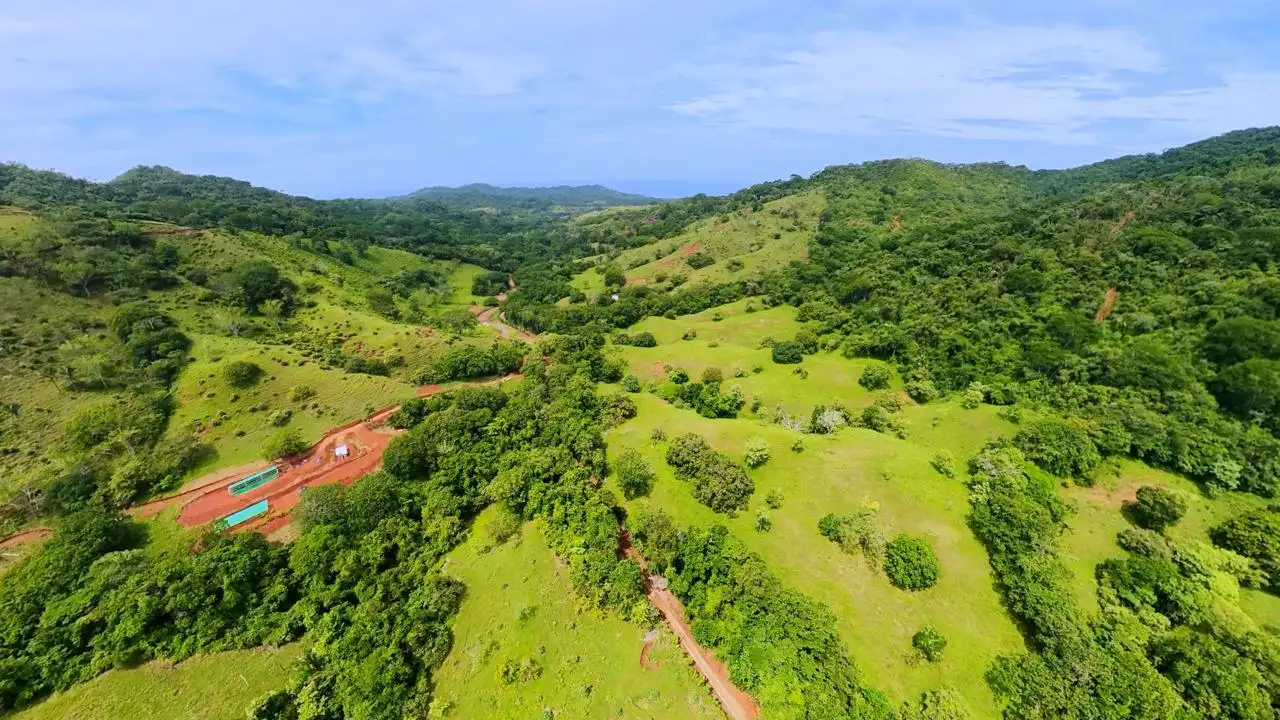
Nature is the foundation of life on Earth. It provides us with the air we breathe, the water we drink, the food we eat, and the resources we need to survive. Despite its importance, human activities such as pollution, deforestation, and excessive consumption of natural resources continue to threaten ecosystems around the world. Preserving and protecting nature is essential to ensure a healthy and sustainable future for generations to come.
Why Is It Important to Protect Nature?
1. Nature Supports Life
Every living organism depends on nature in some way. Forests produce oxygen, rivers provide fresh water, and fertile soils allow crops to grow. Without healthy ecosystems, human life would be impossible.
2. It Preserves Biodiversity
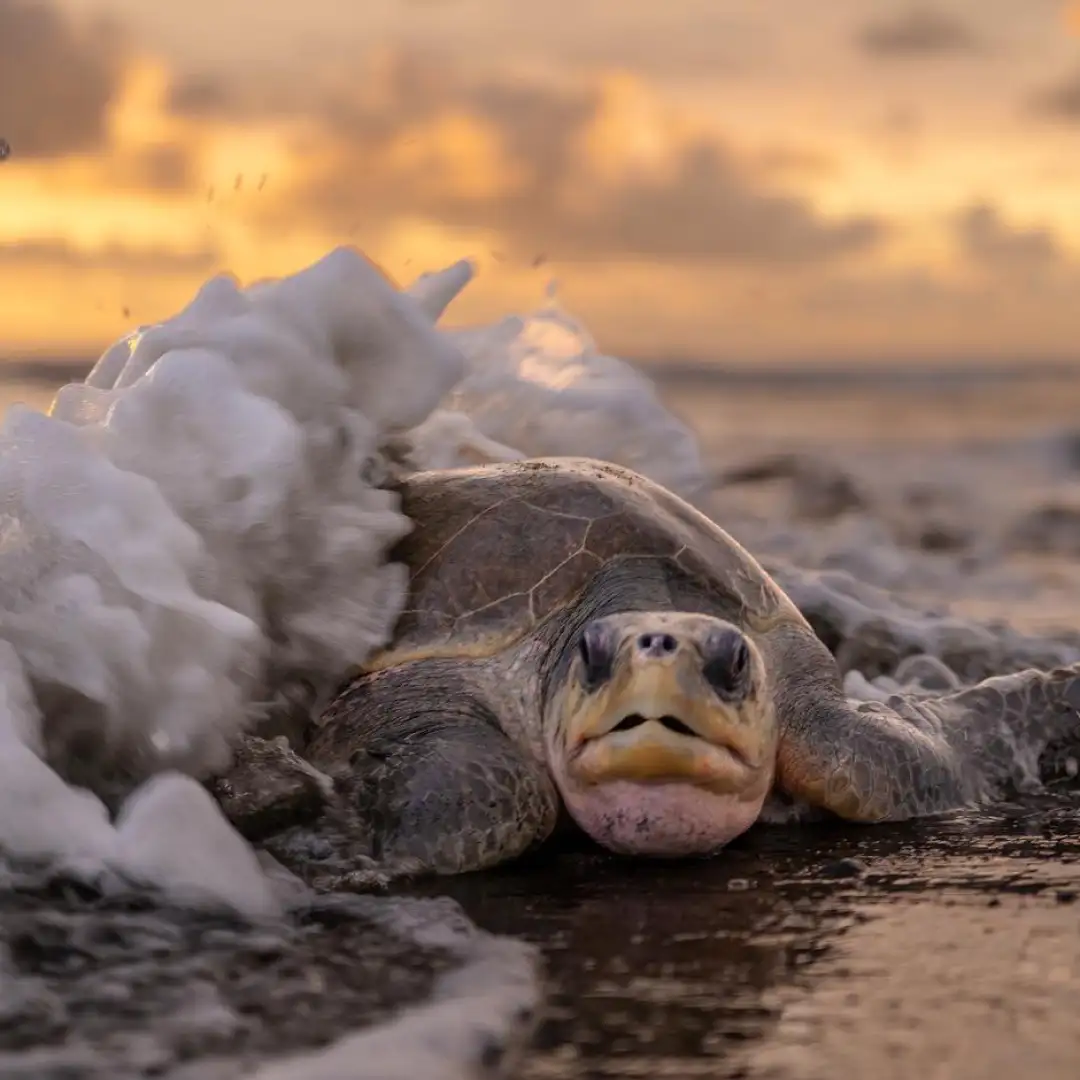
Our planet is home to millions of species of plants and animals, each playing a unique role in maintaining ecological balance. Protecting nature helps prevent species extinction and ensures that ecosystems continue to function properly.
3. It Helps Fight Climate Change
Trees, oceans, and other natural environments absorb carbon dioxide, one of the main greenhouse gases responsible for global warming. Conserving these ecosystems is a key step in reducing the impacts of climate change and protecting vulnerable communities.
4. It Improves Human Well-Being
Spending time in nature has been shown to reduce stress, improve mental health, and encourage physical activity. Parks, forests, and natural landscapes provide spaces for relaxation, recreation, and personal well-being.
How Can We Protect Nature?
Protecting the environment starts with small everyday actions. Some simple ways to help include:
- Reducing the use of plastic products.
- Recycling and reusing materials whenever possible.
- Conserving water and energy.
- Using environmentally friendly transportation, such as walking, cycling, or public transport.
- Planting trees and supporting reforestation projects.
- Respecting wildlife and natural habitats.
- Participating in environmental awareness and conservation programs.
The Role of Future Generations
Young people play a crucial role in protecting the environment. Through education and awareness, future generations can develop sustainable habits and become responsible stewards of the planet. Teaching children to appreciate and care for nature helps build a more environmentally conscious society.